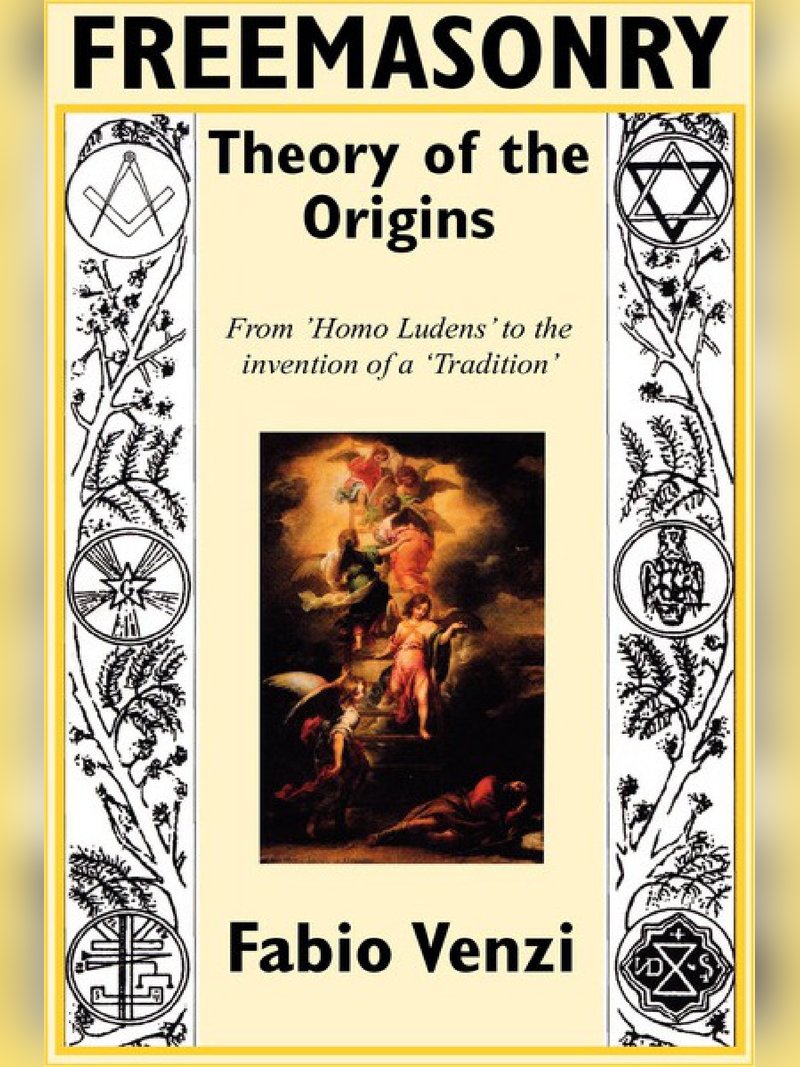
Freemasonry: Theory of the Origins
Fabio Venzi
This work is divided into three parts,proposing three distinct and original theories, aiming to show the clearly identifiable, ongoing evolutionary trends extending from the origins of Freemasonry. This book charts the transformational processes which combine in a peak between the end of the seventeenth and the start of the eighteenth century. A period stretching from the birth of the Grand Lodge of London and Westminster and the publication of the Anderson Constitutions (1717-1723), to conclude with an in-depth examination of the innovative ritual published through the work of the Lodge of Re
£10.00
Description
This work is divided into three parts,proposing three distinct and original theories, aiming to show the clearly identifiable, ongoing evolutionary trends extending from the origins of Freemasonry. This book charts the transformational processes which combine in a peak between the end of the seventeenth and the start of the eighteenth century. A period stretching from the birth of the Grand Lodge of London and Westminster and the publication of the Anderson Constitutions (1717-1723), to conclude with an in-depth examination of the innovative ritual published through the work of the Lodge of Reconciliation (established1813-1816 on the occasion of the constitution of the United Grand Lodge of England with the aim of identifying a ritual homogeneity between all the traditions of the two antagonist Grand Lodges of the Moderns and the Ancients), and the subsequent rituality of the Royal Arch.The latter ritual forms will illustrate how, throughout its evolution, the process of Masonic consciential development has been transformed from a system of morals veiled in allegory and illustrated by symbols into a complex and profound mystic pathway.The pathway illustrated in this work highlights how, on completion of its ritual evolution, to all intents and purposes Freemasonry should be considered as a form, or rather representative of that which authors such as Guénon, Evola,Schuon, Coomaraswamy and other authors of the perennialist school of thought define as Tradition. By Tradition, one refers to an entity inspired by a supratemporal truth that traverses all human time; the traditional forms therefore impart a wisdom of divine origin.By definition, each traditional doctrine possesses an immutable essence, although its methodology may be re-established within the framework of as specific conceptual style in line with the range of potential modes of intuition and according to human circumstances.
Explored in this book.
Old Charges and Early Ritual Fragments
The Oldest Masonic Exposes Compared
Earliest Writings by Freemasons on Freemasonry
Connections to Guilds and their Traditions
The Mystery and Morality plays, Elizabethan Theatre and the Art of Memory
The Lodge or Reconciliation, the Stability and Emulation Ritual Associations
Changes and Evolutions in Masonic Ritual over time
The Origins and Inspirations of Masonic Teachings found in the Ritual
And much, much more
Beautifully Illustrated